
Volcanoes National Park Rwanda
In the northwestern province of Rwanda, in the Musanze district, lies the iconic Volcanoes National Park, also known as Parc National des Volcans. Covering approximately 161 square kilometers, this diverse park features bamboo forests, swamps, grassland, and heath. It is named after the five volcanic peaks within its boundaries: Mount Karisimbi (the highest at 4,507m), Mount Bisoke, Mount Sabinyo, Mount Gahinga, and Mount Muhabura. This protected area, established in 1925, holds the distinction of being Africa’s first national park, originally created to protect the endangered mountain gorillas that call these volcanic slopes home.
Gorilla Trekking in Volcanoes National Park
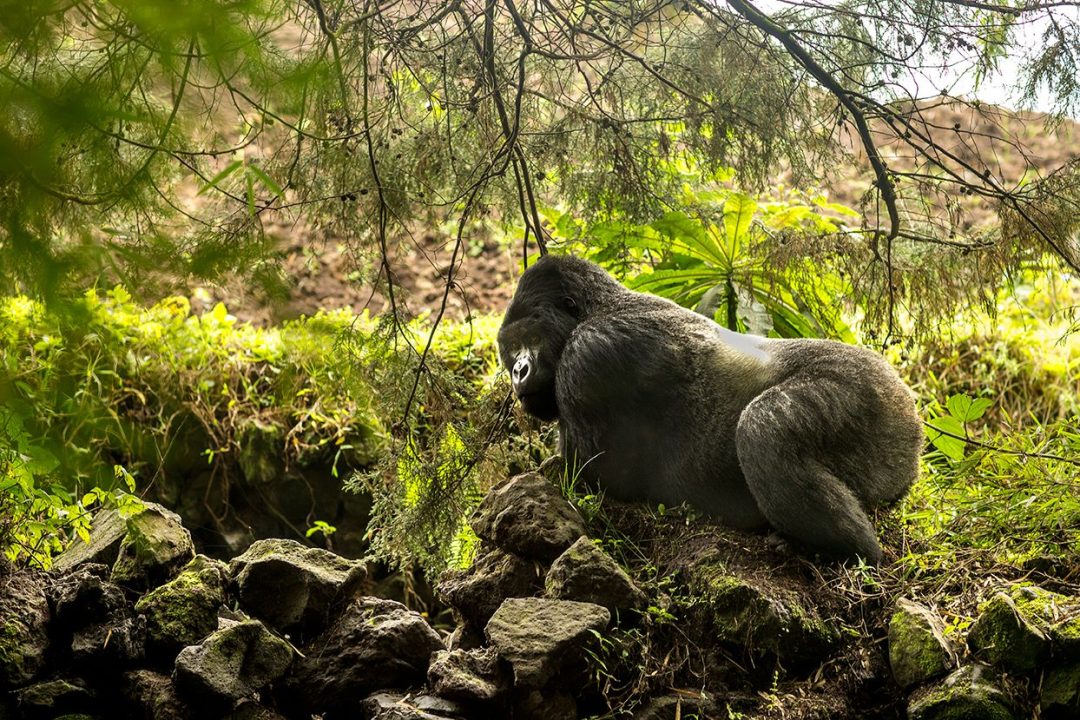
Volcanoes National Park is home to numerous habituated mountain gorilla families available for tourism and research, making it one of the premier destinations for gorilla trekking in Africa. Each family is led by a dominant silverback and named according to the group’s history or characteristics. At the time of writing, a gorilla trekking permit in Rwanda costs $1,500 per person. Groups of up to 8 visitors per gorilla family per day are permitted, and you will spend one unforgettable hour with these magnificent creatures. The trekking experience can range from an easy 30-minute walk to a challenging 4+ hour climb, depending on the gorilla group’s location within the volcanic slopes.
Important: Gorilla trekking permits should be booked several months in advance, especially during peak seasons, as only eight visitors are allowed per gorilla family each day.
Notable Gorilla Families in Volcanoes National Park
Amahoro Group
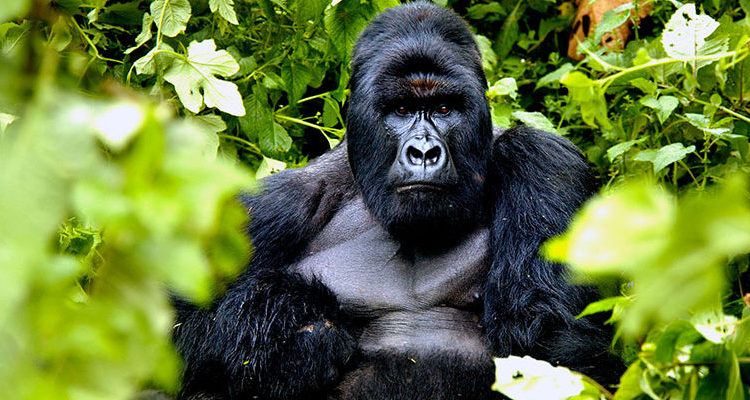
Named after the Kinyarwanda word for “peace,” the Amahoro Group is led by the serene silverback Ubumwe. Reaching this family requires a challenging uphill climb, but the reward of observing this peaceful group in their natural habitat is well worth the effort.
Sabinyo Group
Led by the powerful silverback Guhonda, this group is named after Mount Sabinyo, a dormant volcano. The Sabinyo Group is conveniently located close to the park headquarters, making it an ideal option for visitors who prefer a shorter trek.
Hirwa Group
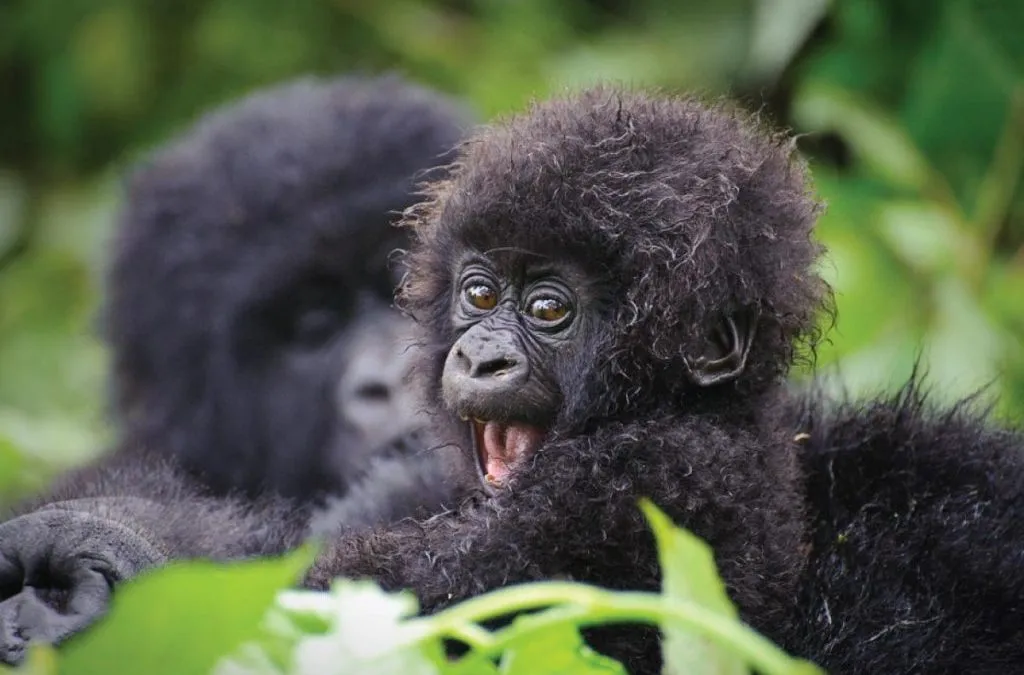
This group was originally formed by members from other families, including Group 13, Susa, and Sabinyo. The silverback Munyinya left Susa with two females and eventually gathered more members to form Hirwa. The group is known for its playful juveniles and energetic young gorillas. As with all wild gorilla families, the group composition has evolved over time.
Kwitonda Group
Named after its leader, Kwitonda, which means “the humble one” in Kinyarwanda. This group migrated from the DRC and settled in Rwanda. Today, this family ranges on the slopes near Mount Muhabura and is known for its dynamic social structure.
Agashya Group
Originally called Group 13 during the habituation process, it is now led by the silverback Agashya. The group has grown over the years and is known for its frequent playful interactions among younger members and its dynamic social structure.
Susa Group
One of the largest and most famous families in Volcanoes National Park, the Susa Group is known for its historic connection to the late renowned primatologist Dian Fossey. Named after the river that runs through its territory, this group is one of the most sought-after for trekking due to its size and fascinating history.
The Dian Fossey Legacy
Volcanoes National Park is inextricably linked to the legacy of Dian Fossey, the American primatologist who dedicated her life to studying and protecting mountain gorillas. Fossey established the Karisoke Research Center in the park’s high-altitude forests in 1967, conducting groundbreaking research that changed how the world understood gorilla behavior and intelligence. Her work, documented in her book “Gorillas in the Mist” and the subsequent film, brought international attention to the plight of mountain gorillas and played a pivotal role in their conservation. Today, visitors can visit her grave site within the park and learn about her enduring legacy at the Karisoke Research Center, which continues to operate under the Dian Fossey Gorilla Fund International.
Gorilla Trekking Rules and Guidelines
To protect both visitors and the mountain gorillas, the Rwanda Development Board enforces strict rules during gorilla trekking:
- Minimum age: Participants must be at least 15 years old.
- Distance: Visitors must maintain a distance of at least 7 meters from the gorillas.
- Duration: Visitors are permitted to spend one hour with the gorillas once located.
- Photography: Flash photography is strictly prohibited as it may disturb the gorillas.
- Health: Visitors with contagious illnesses are not permitted to trek to protect gorillas from human diseases.
- Eating: Eating and drinking near the gorillas is not permitted.
- Masks: Face masks may be required depending on current health regulations.
These guidelines ensure that gorilla trekking remains safe and sustainable for future generations.
Golden Monkey Trekking
In addition to gorilla trekking, Volcanoes National Park offers the unique opportunity to track golden monkeys (Cercopithecus mitis kandti). This endangered primate species is found only in the Virunga Massif and is known for its striking golden-orange fur. Golden monkey trekking permits cost approximately $100 per person and offer visitors a chance to observe these energetic primates as they leap through the bamboo forests. The trek is generally less strenuous than gorilla trekking and provides excellent photography opportunities.
Wildlife in Volcanoes National Park
Apart from mountain gorillas, Volcanoes National Park is also home to the rare and endangered golden monkeys, which can be tracked in the bamboo forests. The park also hosts forest elephants, buffaloes, spotted hyenas, and various other primate species including olive baboons and L’Hoest’s monkeys. Although forest elephants inhabit the park, sightings are extremely rare because they are shy and elusive.
The park features approximately 200 bird species, making it a haven for birdwatchers. Birding enthusiasts can spot the Ruwenzori batis, Rwenzori turaco, black-billed turaco, collared apalis, and other Albertine Rift endemics. The Buhanga Eco Park, a sacred forest believed to be the traditional coronation site of Rwandan kings, and the Musanze caves, formed by volcanic activity from the Virunga range, are other exciting sites to explore within the park.
Best Time to Visit Volcanoes National Park
The best time to visit Volcanoes National Park is during the dry seasons, which run from June to September and December to February. During these months, the trekking trails are more accessible, and the weather is generally clear, offering stunning views of the volcanic peaks.
The wet seasons (March to May and October to November) can also be a rewarding time to visit. During these months, you can expect:
- Greener scenery – the landscapes become vibrant and lush
- Better photography – dramatic misty conditions create stunning images
- Lower lodge prices – many accommodations offer discounted rates
- Fewer visitors – enjoy a more exclusive trekking experience
How to Get to Volcanoes National Park
The park is easily accessible by road from Kigali City, with the journey covering approximately 105 kilometers and taking 2 to 3 hours via a scenic drive through Rwanda’s rolling hills. The route passes through the town of Musanze, where visitors can stock up on supplies. The park is also accessible from nearby border crossings, such as the Cyanika border from Uganda and the Gisenyi border from the DRC.
For travelers short on time, domestic flights from Kigali to the nearby Ruhengeri airstrip are also available, reducing travel time and offering aerial views of the dramatic volcanic landscape.
Accommodation at Volcanoes National Park
There are various accommodation options available in and around Volcanoes National Park, ranging from luxury lodges to budget-friendly options:
One&Only Gorilla’s Nest
An ultra-luxury resort offering 21 rooms and suites with panoramic views of the Volcanoes, located on the edge of the park.
Singita Kwitonda Lodge
An exclusive, ultra-luxury eco-lodge with eight suites, each featuring private gardens and fireplaces, operated by Wilderness Safaris.
Bisate Lodge
Luxury accommodation with stunning views of the Virunga Mountains. Features six exclusive forest villas with private decks.
Virunga Lodge
Another luxury option perched on a ridge providing breathtaking views of the volcanoes and overlooking the twin lakes Burera and Ruhondo.
Amakoro Songa Lodge
A luxury boutique lodge offering 13 beautifully designed cottages with panoramic views of the Virunga Mountains.
Mountain Gorilla View Lodge
A mid-range lodge offering comfortable accommodation with a 360-degree view of the volcanoes, including Mount Karisimbi.
Le Bamboo Gorilla Lodge
A mid-range lodge ideal for those seeking a more affordable experience. Features comfortable rooms with garden views.
Kiningi Guest House
A budget-friendly guest house offering clean, comfortable accommodation in the nearby town of Musanze.
Muhabura Lodge
A great budget option located near the park headquarters, offering basic but comfortable rooms with stunning views.
What to Pack for Your Gorilla Trek
Proper preparation greatly enhances your gorilla trekking experience. We recommend bringing:
- Waterproof hiking boots – broken in before your trip
- Rain jacket – weather can change quickly in the mountains
- Gaiters – to keep mud and debris out of your boots
- Gardening gloves – for gripping vegetation during the hike
- Long-sleeved shirts and long trousers – to protect against stinging nettles
- Sun hat and sunscreen – for protection at higher altitudes
- Camera with extra batteries – battery life may be shorter in cold conditions
- Binoculars – for observing distant wildlife
- Reusable water bottle – stay hydrated during the trek
- Insect repellent – to protect against bugs in the forest
Conservation and Sustainability
Volcanoes National Park is a conservation success story, thanks to the collaborative efforts of the Rwanda Development Board (RDB), international conservation organizations, local communities, and dedicated researchers. Key conservation initiatives include:
- Gorilla Doctors – providing veterinary care to sick and injured gorillas
- Anti-poaching patrols – protecting gorillas and other wildlife from illegal hunting
- Community programs – engaging local communities in conservation and tourism
- Revenue sharing – tourism revenue directly supports community development projects
- Research – ongoing scientific research at Karisoke and other centers
Tourism revenue from gorilla permits plays a vital role in funding these conservation efforts. By choosing gorilla trekking, visitors directly contribute to the protection of these magnificent creatures and their habitat.
Plan Your Safari in Rwanda
Rwanda’s premier gorilla destination offers a unique opportunity to discover the best of Rwanda and experience mountain gorilla trekking firsthand. To plan your luxurious gorilla tour in Rwanda, you can reach out to our travel specialists at gorillaugandasafaribookings@gmail.com or call +256-775630809.
You may also consider combining your gorilla tour with visits to other top destinations in Rwanda, such as Nyungwe Forest National Park for a chimpanzee adventure, Akagera National Park for an unforgettable wildlife safari featuring the Big Five, or a Kigali City Tour to experience Rwanda’s vibrant capital.
The lush landscapes of Volcanoes National Park, coupled with the extraordinary experience of trekking with mountain gorillas and enjoying the rich biodiversity, make it a true gem of “The Land of a Thousand Hills”.
Frequently Asked Questions (FAQs)
Where is Volcanoes National Park located?
Volcanoes National Park is located in the northwestern province of Rwanda, in the Musanze district, approximately 105 km from Kigali City (2–3 hours by road).
How much does a gorilla trekking permit cost in Rwanda?
At the time of writing, a gorilla trekking permit in Volcanoes National Park costs $1,500 per person. Golden monkey trekking permits cost approximately $100 per person. Permit prices are subject to change, so it is advisable to verify current rates when booking.
How many gorilla families are in Volcanoes National Park?
The park is home to numerous habituated mountain gorilla families available for tourism and research. The number changes as new families are habituated, split, or merge. Contact the Rwanda Development Board for the most current information.
What is the best time to visit Volcanoes National Park?
The best time is during the dry seasons from June to September and December to February when trails are more accessible and weather is clearer. The wet seasons offer greener scenery, dramatic photography conditions, lower prices, and fewer visitors.
What other wildlife can I see in Volcanoes National Park?
Besides mountain gorillas, the park is home to golden monkeys, forest elephants (extremely rare sightings), buffaloes, spotted hyenas, and over 200 bird species.
What accommodation options are available?
Accommodation ranges from ultra-luxury lodges like One&Only Gorilla’s Nest and Singita Kwitonda Lodge, luxury options like Bisate and Virunga Lodge, mid-range properties like Mountain Gorilla View Lodge and Le Bamboo, to budget options like Kiningi Guest House and Muhabura Lodge.
What are the rules for gorilla trekking?
Visitors must be at least 15 years old, maintain a 7-meter distance from gorillas, spend one hour with them, avoid flash photography, and follow all guide instructions. Face masks may be required depending on current health regulations.
Can I combine Volcanoes National Park with other destinations?
Yes. You can combine your gorilla trek with visits to Nyungwe Forest National Park for chimpanzee trekking, Akagera National Park for wildlife safaris, or a Kigali City Tour.
What is the altitude of Volcanoes National Park?
The park ranges from 2,400m to 4,507m (Mount Karisimbi), the highest peak in the Virunga Massif. Visitors should be aware of altitude when planning their trek.
How do I book a gorilla trekking safari?
Contact our travel specialists at gorillaugandasafaribookings@gmail.com or call +256-775630809 to plan your customized gorilla trekking experience.
Is Volcanoes National Park safe for tourists?
Yes. Volcanoes National Park is one of Africa’s safest wildlife destinations. Trekking is conducted under strict safety protocols with experienced guides and armed rangers.
How long is the gorilla trekking experience?
The trek to locate the gorillas can take anywhere from 30 minutes to over 4 hours depending on their location. Once found, visitors spend one hour with the gorillas. The entire experience typically takes a half day.
Why Volcanoes National Park Stands Out
Volcanoes National Park is not just a gorilla trekking destination it is a place where conservation, history, and breathtaking natural beauty converge. As Africa’s first national park, established in 1925, it has played a pioneering role in wildlife protection. The park is inextricably linked to the legacy of Dian Fossey, whose research at Karisoke changed the world’s understanding of gorillas and inspired global conservation efforts.
Today, the park is home to numerous habituated mountain gorilla families, offering visitors one of the most profound wildlife experiences on Earth. The dramatic volcanic landscape, rich biodiversity, and the opportunity to contribute directly to conservation make Volcanoes National Park a destination unlike any other.
Whether you are a first-time traveler or a seasoned safari enthusiast, Volcanoes National Park delivers an unforgettable journey into the heart of Rwanda’s natural heritage.
Book Your Volcanoes National Park Safari Today
Experience the thrill of coming face to face with mountain gorillas in the breathtaking Volcanoes National Park. Contact Gorilla Uganda Safari Bookings (Jeisking Tours) today to start planning your unforgettable Rwandan adventure.
Email: gorillaugandasafaribookings@gmail.com | Call: +256-775630809
Related Posts
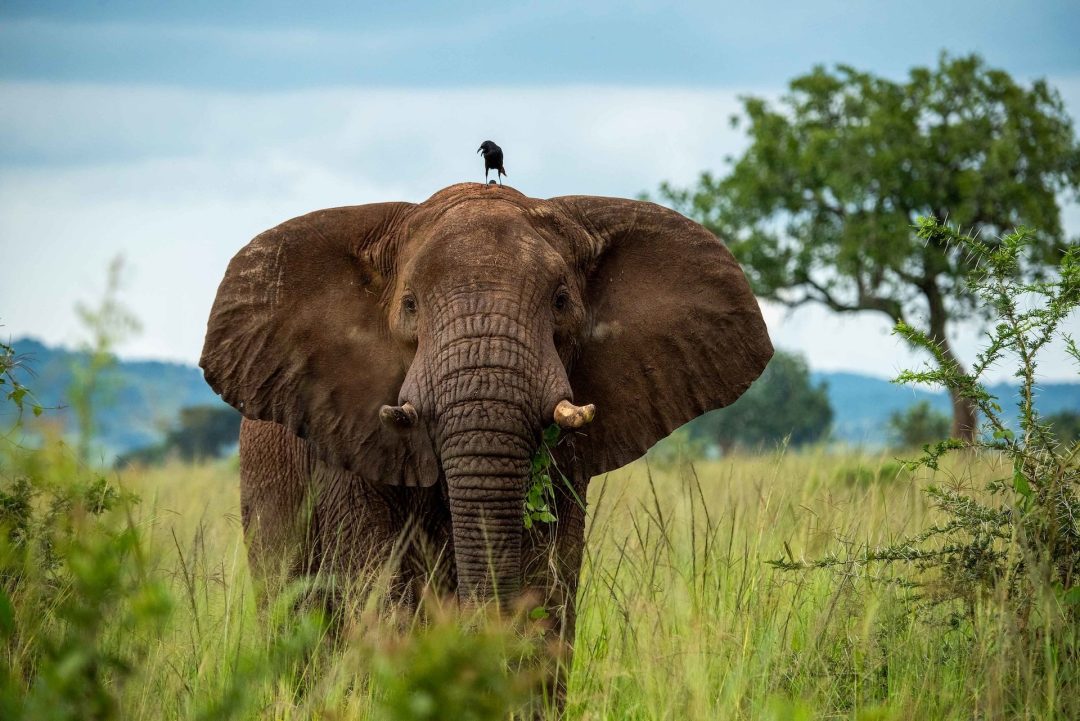
What to expect on a safari holiday in Uganda?
What to expect on a safari holiday in Uganda? What…
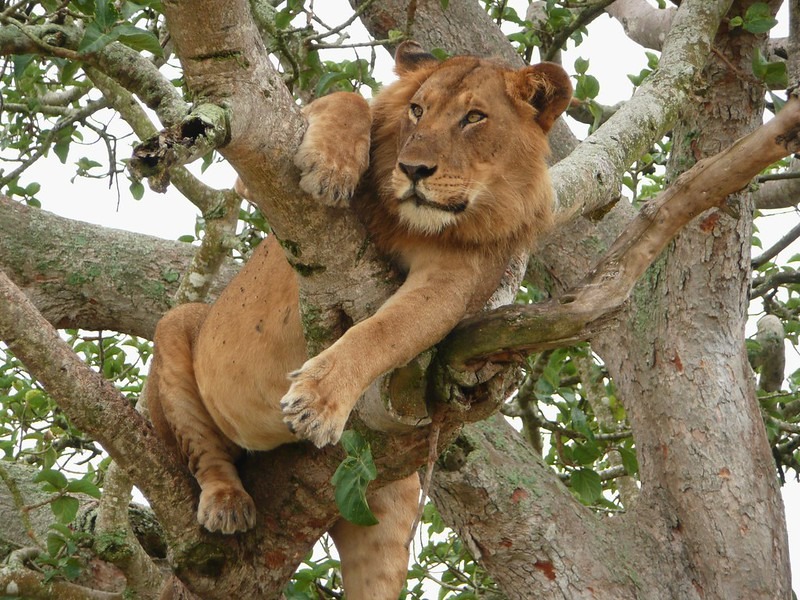
5 Interesting adventure activities to try when you self-drive in Uganda
5 Interesting adventure activities to try when you self-drive in…
