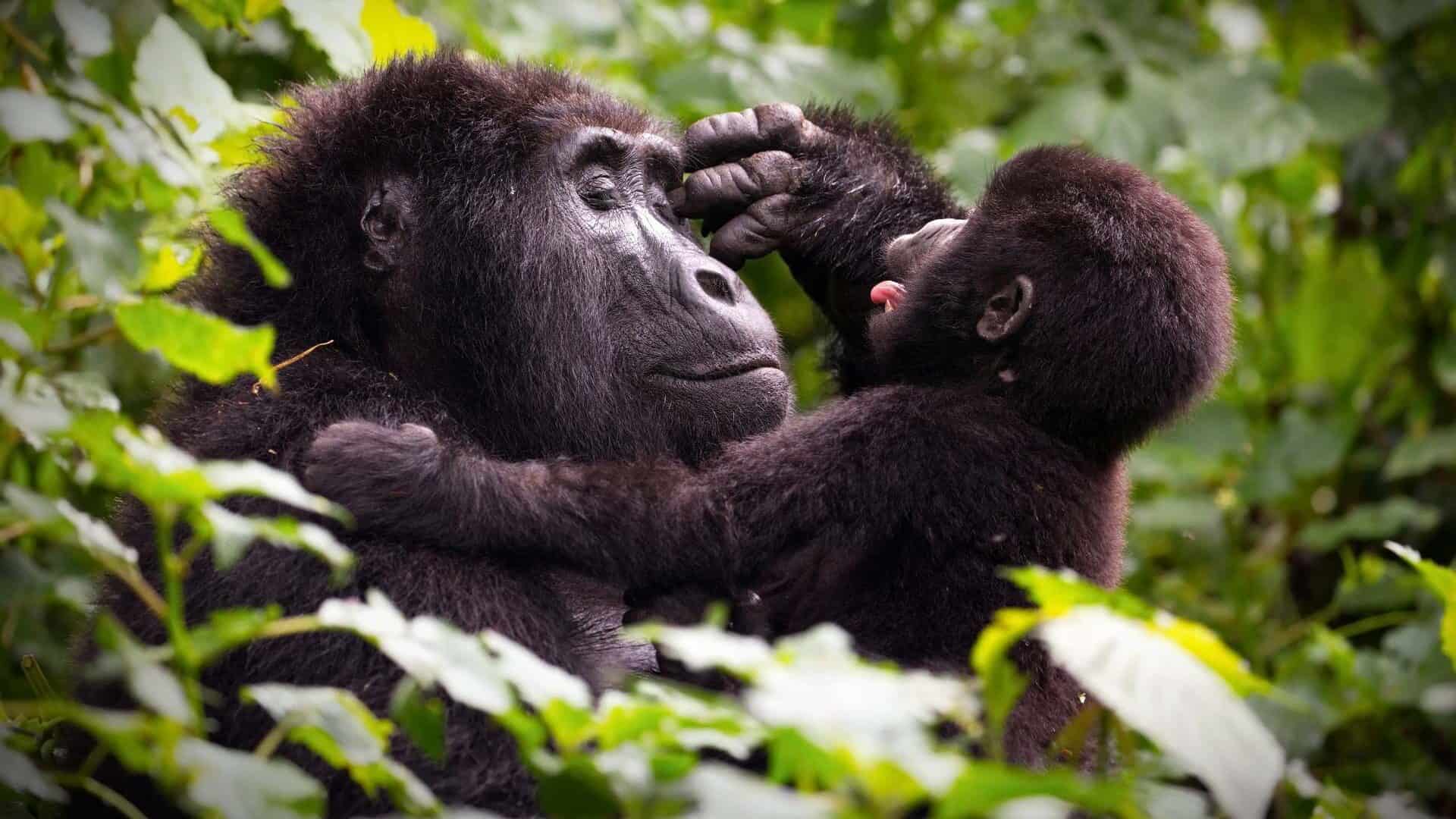
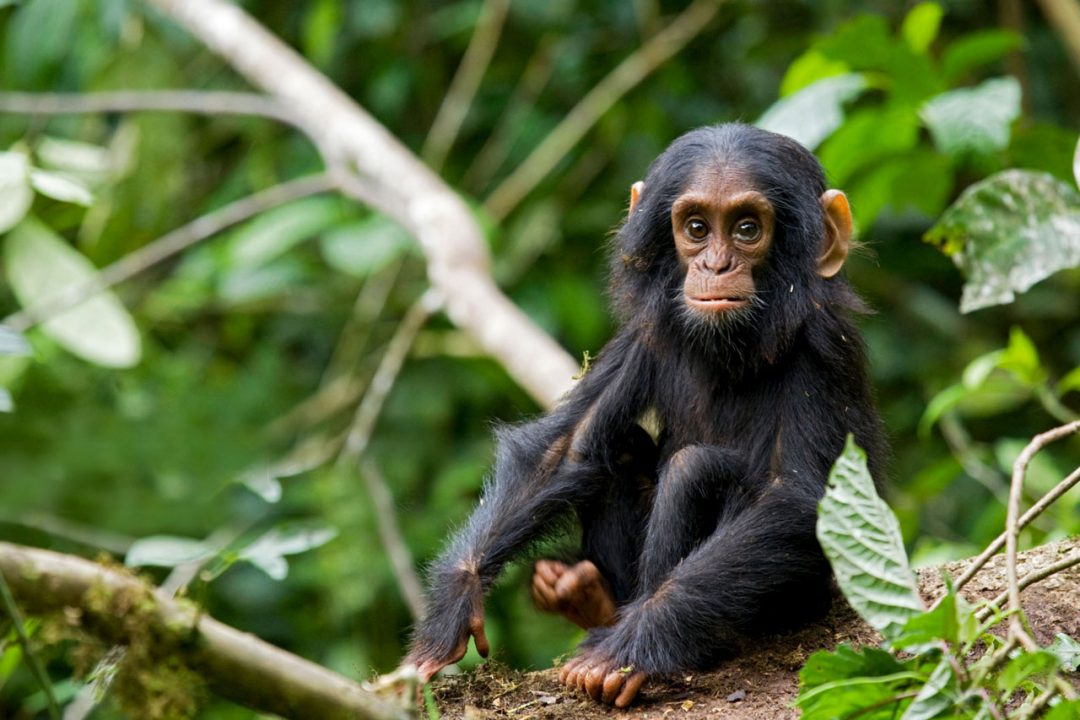
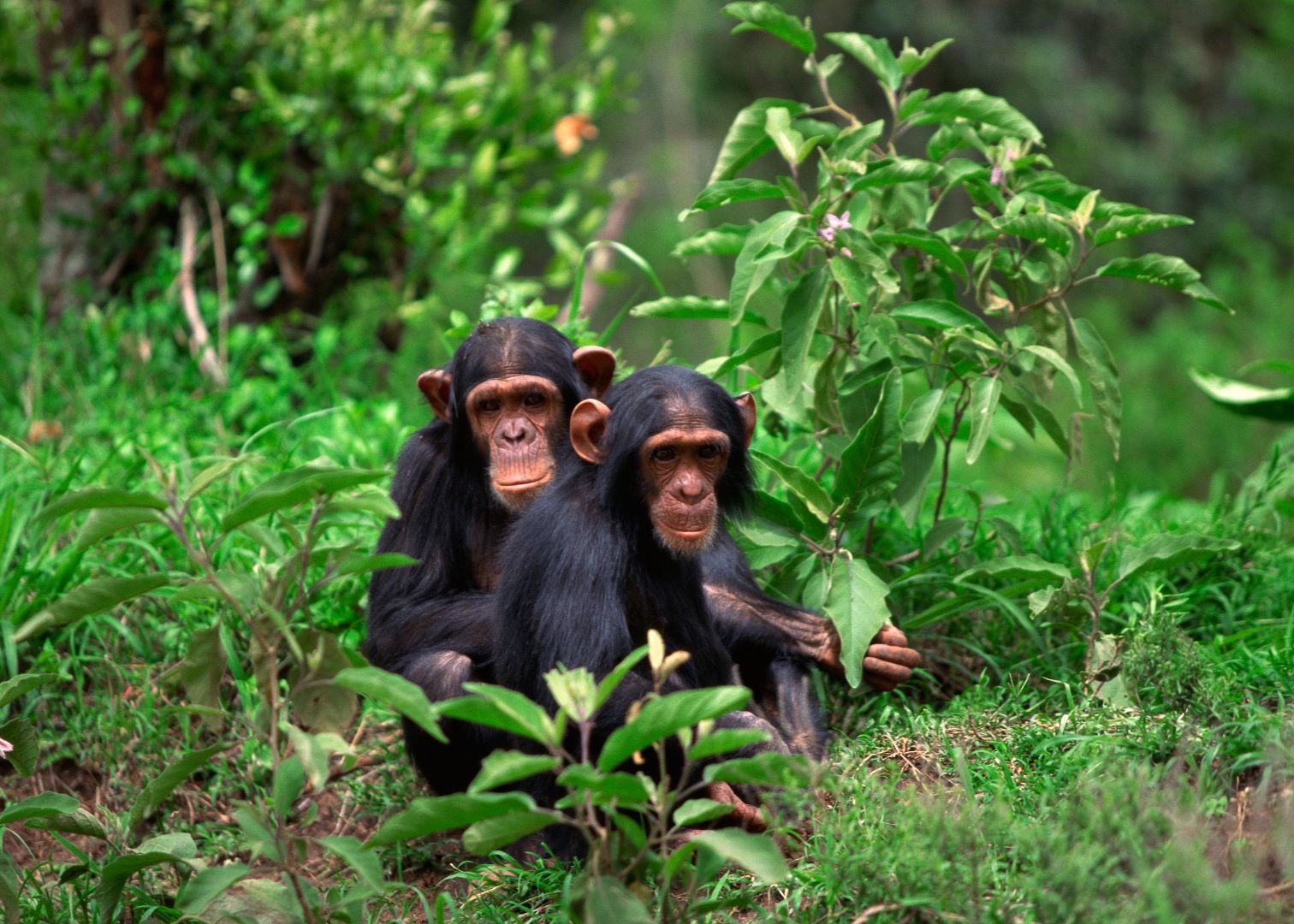
Trekking in Bwindi is a life-changing experience. The terrain is rugged, the forest thick, and the air filled with birdsong and mist. The trek can last anywhere between one and five hours depending on the gorillas’ movements, but the reward of standing face-to-face with a family of gorillas, watching them feed and interact, is beyond words.
Mgahinga Gorilla National Park – Where Gold Meets Silver
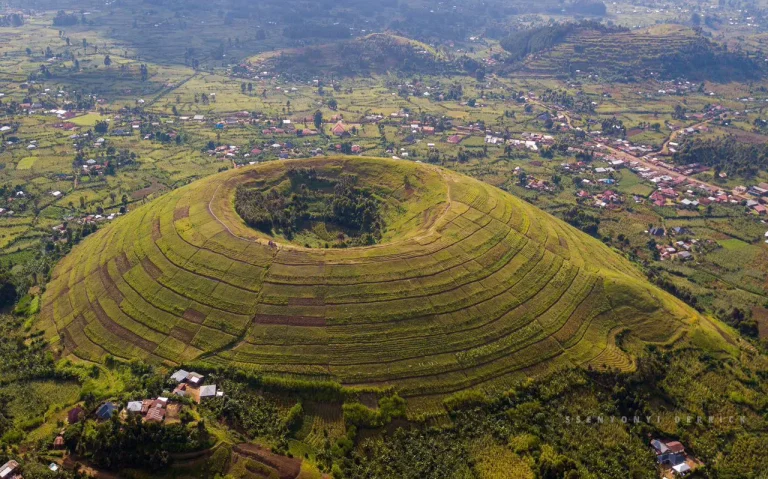
Just a short drive from Bwindi, Mgahinga Gorilla National Park sits within the Virunga Mountain range, shared by Uganda, Rwanda, and Congo. It is home to the Nyakagezi Gorilla Family, a highly habituated group known for its calm behavior and scenic volcanic backdrop.
Trekking in Mgahinga offers more than just gorillas. Travelers can also encounter the endangered golden monkeys, hike one of the Virunga volcanoes (such as Mount Gahinga or Mount Sabinyo), and experience cultural tours with the Batwa pygmies, who once lived in the forest.
For those looking for a less-crowded alternative to Bwindi, Mgahinga delivers both serenity and scenery in abundance.
See More
Gorilla Trekking Permits in Uganda
A Uganda gorilla trekking permit costs USD 800 per person (as of 2024). This fee includes the guided trek, park entry, ranger services, and a full hour with the gorillas once located.
For travelers seeking a more extended experience, Uganda also offers the Gorilla Habituation Experience at USD 1,500 per person, allowing up to four hours of interaction with a semi-habituated gorilla family under the supervision of researchers and rangers.
It’s highly recommended to book permits at least 3 to 6 months in advance, especially during the peak seasons of June to September and December to February, when demand is high.
Best Time to Go Gorilla Trekking in Uganda
Gorilla trekking is available year-round, but the best time to visit is during the dry seasons, when trails are less slippery and access roads are easier to navigate.
See More
Peak Dry Season: June – September and December – February
Green Season: March – May and October – November
The green season brings lush landscapes and fewer crowds, offering a more private trekking experience for photographers and nature enthusiasts.
What to Expect During the Trek
The trek begins early in the morning with a briefing at the park headquarters, where trekkers are assigned gorilla families and briefed on rules and etiquette. Treks vary in difficulty; some gorilla families stay close to the starting point, while others require longer hikes through steep, muddy terrain.
See More
Once you find your gorilla family, you’ll spend one magical hour observing them as they play, groom, feed, and communicate. The moment is powerful and humbling—a silent exchange between two closely related species that share 98% of their DNA.
Guides and armed rangers accompany each trek, ensuring safety and helping identify gorilla behavior and forest species along the way.
Accommodation – Where Comfort Meets Wilderness
Uganda’s gorilla regions offer a wide range of accommodation options, from budget-friendly lodges to high-end forest retreats.
Luxury Lodges: Clouds Mountain Gorilla Lodge, Sanctuary Gorilla Forest Camp, Nkuringo Bwindi Gorilla Lodge
See More
Mid-Range Options: Buhoma Lodge, Gorilla Mist Camp, Ichumbi Gorilla Lodge
Budget Options: Ruhija Community Rest Camp, Rushaga Gorilla Havens Lodge
Each lodge offers warm hospitality, scenic views, and easy access to park headquarters. Many lodges support community initiatives, allowing travelers to contribute directly to conservation and local livelihoods.
Getting There – The Journey to the Gorillas
Most visitors fly into Entebbe International Airport and either take a domestic flight to Kihihi or Kisoro Airstrip or drive 8 to 10 hours through Uganda’s scenic countryside.
See More
An alternative and popular option is to start your journey in Kigali, Rwanda, and cross into Uganda through the Cyanika or Katuna border, a shorter, 4–5-hour drive to Bwindi or Mgahinga. This route is perfect for travelers who prefer less time on the road and wish to combine Uganda and Rwanda in one itinerary.