
Best Tourist Activity Is Gorilla Trekking, and Here’s Why
The best tourist activity is gorilla trekking and why this statement is often made by travelers becomes clear the moment the rainforest trail begins to unfold.
Unlike many wildlife experiences where animals are viewed from a distance, gorilla trekking allows visitors to step directly into the natural world of mountain gorillas.
The journey is not simply a safari activity. Instead, it is an emotional and personal encounter with one of the closest relatives humans have in the animal kingdom.
Across the world, only a few places remain where mountain gorillas can still be seen in the wild. Fortunately, Uganda protects a significant population of these rare primates within the forests of Bwindi Impenetrable National Park and Mgahinga Gorilla National Park.
These ancient forests are carefully managed by conservation authorities so that visitors are able to observe gorilla families without disturbing their natural behavior.
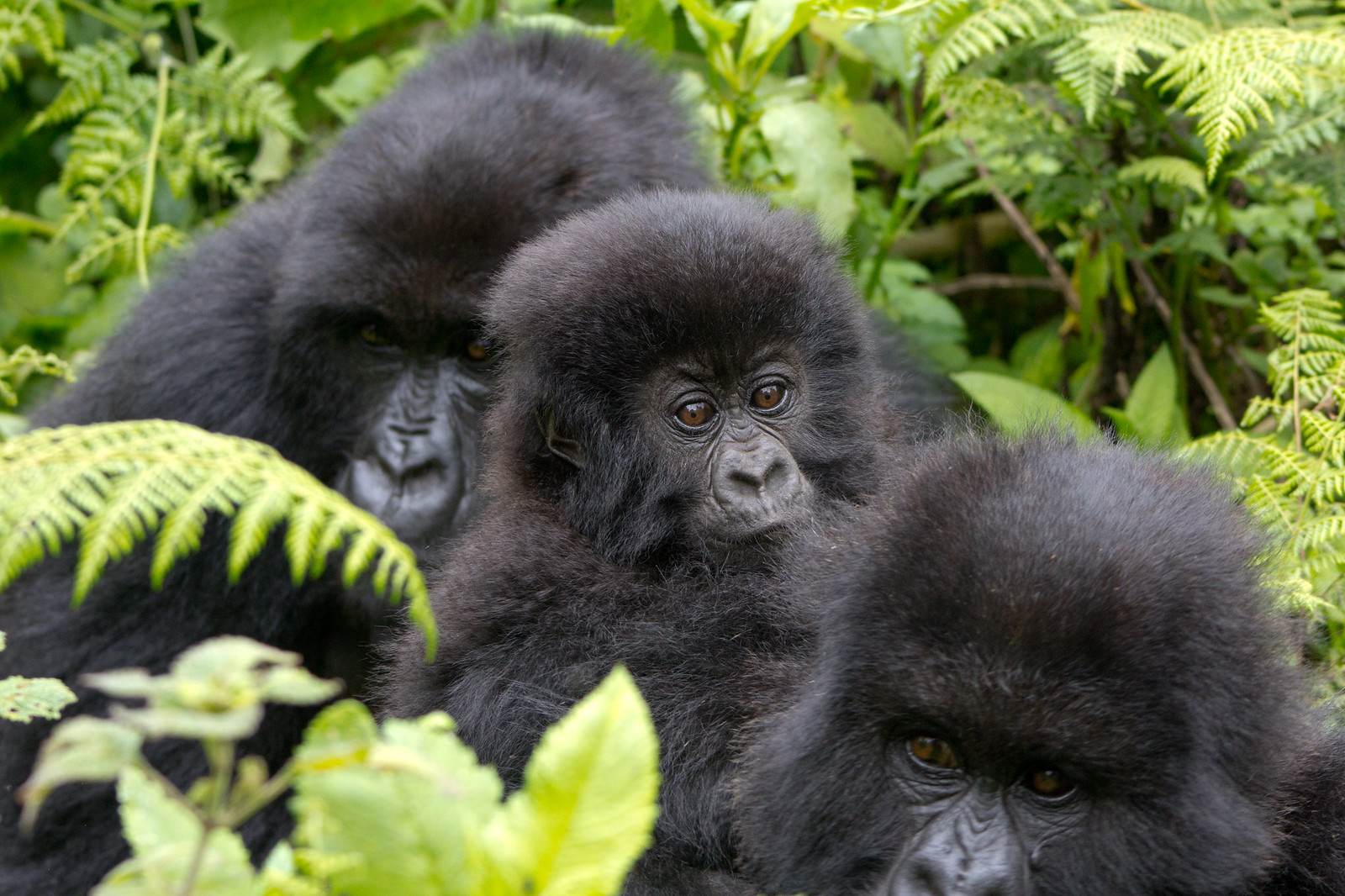
As a result, travelers who participate in this adventure often return home saying the same thing: the best tourist activity is gorilla trekking, and why it stands above other safari experiences lies in the powerful connection that is felt between humans and gorillas.
A Journey Through the Rainforest
To begin with, gorilla trekking is not simply about seeing wildlife. Instead, the experience unfolds gradually through the forest. The trek usually begins early in the morning after a briefing from rangers working with the Uganda Wildlife Authority. During this briefing, safety guidelines are explained, and visitors are introduced to the gorilla family that will be searched for that day.
Afterward, the journey into the forest begins.
At first, the path may appear calm and quiet. However, as the trek continues deeper into the rainforest, the sounds of the forest slowly emerge. Birds call from the canopy, insects buzz around the leaves, and occasionally the movement of monkeys can be heard through the branches.
Meanwhile, trackers move ahead quietly, searching for fresh signs that the gorillas have passed through the area. Broken branches, footprints, and nests from the previous night are often used as clues.
For example, a guide may point to freshly crushed vegetation and explain that a gorilla family fed there earlier in the morning. Consequently, excitement begins to build as trekkers realize that the animals may be close.
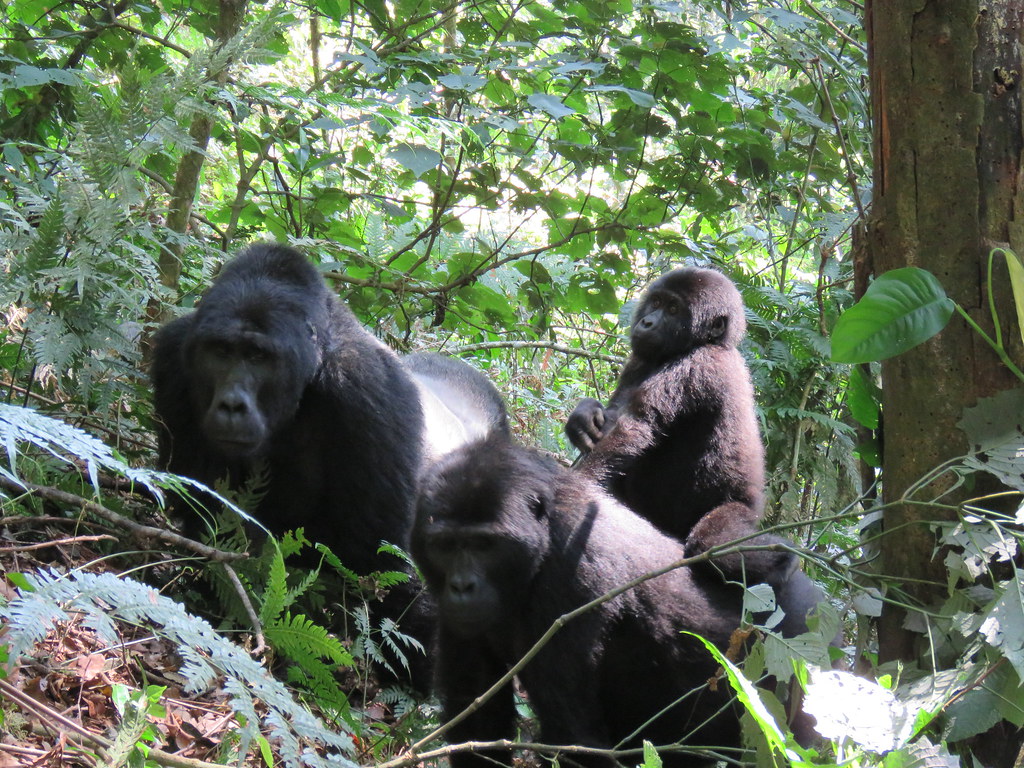
Because of this sense of exploration and anticipation, the best tourist activity is gorilla trekking and why it feels like a true adventure rather than a simple wildlife viewing trip.
The Moment Gorillas Are Found
Eventually, the moment arrives when the trackers signal that the gorillas have been located. At this stage, visitors are asked to move quietly and follow the guide carefully. Voices are lowered, cameras are prepared, and suddenly the forest opens to reveal the gorilla family.
At first, only a movement may be seen through the vegetation. Then slowly, shapes begin to appear.
A young gorilla might be noticed climbing playfully in the branches, while nearby an adult female calmly feeds on leaves. Soon after, the powerful silverback may be spotted resting nearby, quietly observing his family and the visitors watching him.
For many travelers, this moment feels surreal.
For example, imagine standing just a few meters away from a 200-kilogram silverback gorilla while he calmly chews on bamboo shoots. His eyes may briefly meet yours before he continues feeding without concern. At that moment, the connection between humans and gorillas becomes undeniable.
Therefore, it is often said that the best tourist activity is gorilla trekking and why the experience feels deeply personal and emotional.
Why Uganda Offers One of the Best Gorilla Experiences
Another reason the best tourist activity is gorilla trekking and why Uganda stands out globally is the unique environment where these gorillas live.
The forests of Bwindi Impenetrable National Park are among the oldest rainforests in Africa. It is believed that this ecosystem has existed for more than 25,000 years. Because of its age and biodiversity, the forest supports hundreds of wildlife species, including birds, butterflies, and primates.
Meanwhile, the dramatic volcanic scenery of Mgahinga Gorilla National Park, located within the Virunga Mountains, creates an entirely different trekking environment.
Here, bamboo forests cover the mountain slopes while mist often drifts through the valleys. Consequently, the landscape itself adds to the sense of adventure and mystery surrounding gorilla trekking.
Because these forests remain protected and relatively untouched, the gorillas continue to live freely in their natural habitat.
Conservation Success Through Tourism
Importantly, the best tourist activity is gorilla trekking and why it is considered so meaningful also relates to conservation.
Over the past several decades, mountain gorillas have faced serious threats from habitat loss and poaching. However, through strict conservation policies and responsible tourism, their population has slowly increased.
Only a limited number of trekking permits are issued each day. As a result, the number of visitors entering the forest remains controlled. This ensures that gorilla families are not stressed by excessive human presence.
At the same time, tourism revenue is used to support conservation programs, ranger patrols, and local communities living near the parks.
For example, many communities around Bwindi Impenetrable National Park now benefit from tourism through employment, guiding services, and cultural programs.
Because of these efforts, travelers participating in gorilla trekking are directly contributing to the protection of these endangered animals.
A Cultural and Human Connection
In addition to wildlife encounters, gorilla trekking also provides an opportunity to connect with the people who live near these forests.
Communities such as the Batwa once lived inside the forests before conservation areas were established. Today, cultural experiences allow visitors to learn about traditional forest life, hunting techniques, and storytelling traditions that have been passed down through generations.
Consequently, the best tourist activity is gorilla trekking, and why it becomes more than just an adventure—it becomes a journey of understanding nature, wildlife, and human history.
Best Time to Experience Gorilla Trekking
Although gorilla trekking can be done throughout the year, certain seasons are generally preferred. The dry seasons between June and September and again from December to February are usually recommended because trails are less muddy and easier to walk on.
Nevertheless, some travelers actually prefer the rainy months. During these times, the forests become incredibly green and misty, creating dramatic photography opportunities.
Therefore, no matter when the journey takes place, the magic of gorilla trekking remains the same.
Experience Gorilla Trekking with Jeisking Tours
At Jeisking Tours, unforgettable gorilla trekking experiences are carefully planned so that travelers can focus entirely on enjoying their adventure. From securing permits to arranging transportation, accommodation, and professional guides, every detail is handled with care.
Whether your journey takes you deep into Bwindi Impenetrable National Park or through the volcanic landscapes of Mgahinga Gorilla National Park, the experience will be guided by experts who understand both the forest and the gorillas.
So if you are searching for the most extraordinary wildlife encounter in Africa, it becomes clear why the best tourist activity is gorilla trekking and why thousands of travelers dream of this experience every year.
Let Jeisking Tours help you plan a journey that will bring you face-to-face with mountain gorillas and create memories that will last a lifetime.
Related Posts
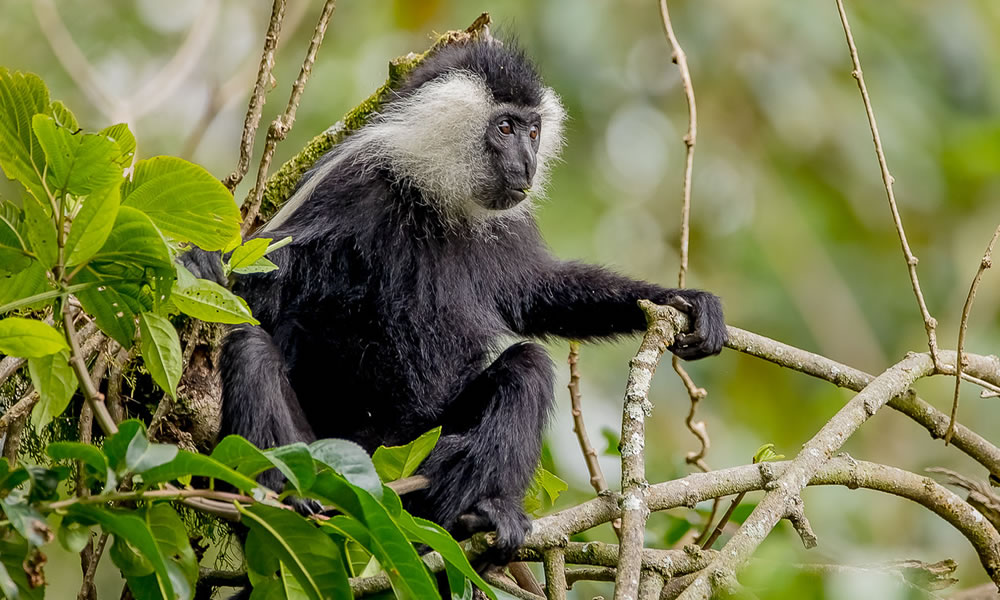
Majestic Colobus: Rwanda’s Nyungwe Forest
I MET THIS MAJESTIC CREATURE IN RWANDA: THE COLOBUS ANGOLENSIS…
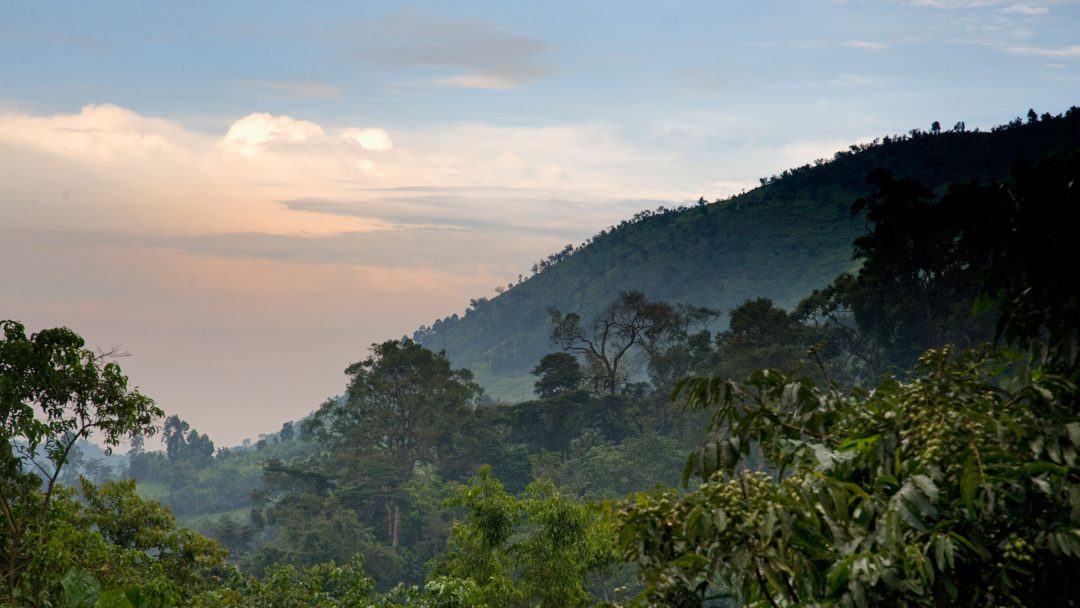
Which is the Best Uganda National Park to Explore on a Ugandan Safari in 2024/2025?
Which is the Best Uganda National Park to Explore on…